How Siemens is Using AI to Decarbonise Water Treatment Firms
Siemens has signed a Memorandum of Understanding with Scottish water technology company RSE to explore the effect digitalisation could have on the sustainability of water treatment processes.
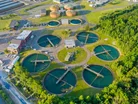
The partnership aims to integrate Siemens’ digital, automation and AI technologies into RSE’s modular water treatment systems which purify waste water and sewage, preparing it for reuse or safe depositing back in nature.
The collaboration will begin this year with a series of feasibility studies and pilot projects, with full-scale delivery expected to take place in 2026.
Focus on net zero infrastructure
Siemens and RSE’s work together is all about achieving net zero in water treatment processes, with heavy industry often regarded as a particularly hard-to-abate sector.
Initially targeting utilities, the teams believe that the collaboration has the potential to expand into the food and beverage, industrial and pharmaceutical sectors.
Both companies have committed to skills development through collaborative training programmes for the water workforce.

“Decarbonisation is the defining issue of our time, which will only be achievable through collaboration across the industry and its supply chain,” says Brian Holliday, Managing Director for Digital Industries at Siemens UK&I.
“By pooling our technical expertise with RSE’s extensive infrastructure and sector experience, our ambition is to help facilitate a step change in the way that the industry approaches water treatment, setting a blueprint for successful collaboration and knowledge sharing in the future.”
RSE’s industry approach meets Siemens’ digital expertise
For more than 40 years, RSE has been a specialist in designing, manufacturing and running water treatment plants.
Across its sites, the firm purifies drinking water, recycles waste water and cleans water through its various industrial processes.
So, where does Siemens come in? RSE has enlisted the German tech giant to help introduce smart metering and AI-driven grid software that can help to detect leaks.
This is a service that Siemens had previously supplied the Northumbrian Water Group with, to much success.
Siemens has also collaborated with Severn Trent Water on developing its Net Zero Hub, which it describes as the world’s first carbon neutral waste water treatment plant.
How to scale sustainable solutions in water treatment
The partnership is set to be a milestone not only for RSE but for the R&D of sustainable technologies in the water treatment sector at large.
“This MoU represents a major milestone in our work to shape the future of clean water and low-carbon infrastructure on a global scale as we seek to revolutionise the water treatment process through digitalisation,” says Stephen Slessor, CEO at RSE.
“Siemens’ expertise in using digital technology to deliver transformational benefits is well documented and we look forward to developing this collaboration further in the coming years to tackle the net zero challenge across a number of sectors.”
While AI and other cutting edge technologies have been widely adopted in offices around the world, applying them to complex industrial processes has understandably taken more time.
The utilities industry in particular is trending towards digitalisation and automation, so the sector will be watching closely to see the outcome of this partnership.
If Siemens finds sustained success in the municipal sector it could lead to the adoption of its technologies across other areas where water treatment efficiency directly impacts operational costs.
With water treatment facilities globally facing pressure to reduce carbon footprints whilst maintaining service quality, the integration of AI and automation technologies could provide measurable efficiency gains.
The 2025 pilot phase will likely provide crucial data on the viability of scaling these solutions across different treatment scenarios and markets.