Datamaran: From Sustainability Software to Collective Impact
Sustainability teams have often found themselves isolated from strategy, with the C‑suite lacking hard evidence on which ESG issues truly matter and why.
Founded in 2014, Datamaran set out to solve this problem that many corporates still face today.
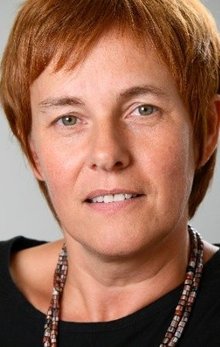
Marjella Lecourt-Alma, CEO and Co‑Founder of Datamaran, describes the product suite as AI‑powered software that helps executives understand which sustainability issues matter most, based on real evidence. From the outset, the goal was to move sustainability beyond good intentions into the language of risk, opportunity and performance.
“We wanted to make ESG objective and data-driven so it could truly reach the C-suite and boardroom,” she says.
Back in 2014, this was a bold proposition. Sustainability was far from mainstream, and the idea that it could reshape core business strategy was still nascent in most sectors.
Marjella was frustrated that sustainability managers rarely had access to a CEO, a CFO or the board. After almost eight years at the Global Reporting Initiative (GRI), she had seen first-hand how voluntary reporting struggled to gain traction as a strategic priority.
At GRI she led a technical team assessing corporate sustainability reports, then moved to represent the standard-setter in North America. That role exposed her to sceptical US corporates that did not yet see a strong business imperative for sustainability.
“It was a fantastic learning experience in how to connect sustainability to real business risk and opportunity,” Marjella explains.
Those years convinced her that technology could accelerate change. By analysing large, unstructured datasets on ESG topics, she believed companies could build an objective business case compelling enough for even the most hard‑nosed executives.
“That’s what led me to found Datamaran – using technology to evidence whichESG issues matter most and get into C-suite rooms faster,” she says.
The company name itself reflects that mission. Datamaran plays on the word catamaran, a vessel designed to navigate complex waters, and the data “lakes” of unstructured information around sustainability.
“It was always about helping companies navigate data lakes of ESG information – hence Datamaran,” Marjella notes.
In the 12 years since, the context for ESG has shifted dramatically. Sustainability moved centre‑stage as mainstream media, investors and regulators embraced the ESG agenda, before political pushback and fatigue brought a much more cautious tone.
Marjella argues this volatility has only increased the need for robust, non‑ideological evidence.
“We have to make sustainability non‑emotional and non‑political – it’s about building successful businesses in a changing world,” she says.
How Datamaran frames sustainability as risk and opportunity
At the heart of Datamaran’s approach is a deliberate shift in language. Many standards bodies, Marjella suggests, become stuck at the level of key performance indicators, debating how best to measure a specific metric.
Business leaders, however, want to understand the underlying drivers: why a topic matters, where it is emerging and how it affects fundamentals like revenue, costs or resilience. To bridge this gap, Datamaran built what she describes as a dictionary or ontology – a structured map – of sustainability topics.
Initially focused on environmental, social and governance issues, it has expanded to include geopolitical, cyber and technology trends that shape corporate risk. The platform continuously scans mainstream business sources, such as regulations, media coverage, reputational signals and peer disclosures to track how these issues evolve.
“From the start, we broke sustainability down into business risks and opportunities, and created a single source of truth internally,” Marjella says.
This enables sustainability, risk, legal and other functions to work from the same taxonomy and evidence base. Crucially, not all issues are created equal for every company. Datamaran uses a client’s footprint – sectors, geographies, upstream and downstream relationships – to pinpoint which topics are most likely to be material.
“We help companies understand what is most applicable to them and then track those issues by country or sector over time,” she explains.
The result is a topic‑level view grounded in core business concepts. Marjella insists this framing is essential to overcome confusion and resistance.
“We talk about risk and opportunity rather than ‘sustainability’ – that’s the language business leaders understand,” she says.
Executives
Ann Desender
Non Executive Director in Board & Chair of Audit Committee
Dries Vanneste
Head of Sustainability
Marjella Lecourt-Alma
Advisory Board Member