How Has Intel’s Focus Shifted Since its New CEO Took Over?
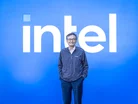
When Lip-Bu Tan stepped into the role of Intel CEO in March 2025, he entered a company at a crossroads.
Once a leader in semiconductor innovation, Intel had recently suffered its first annual loss since 1986, reporting a US$18.8bn net loss in 2024.
With intense competition from rivals like TSMC alongside the fallout from delayed product launches, the arrival of Intel’s new CEO signalled both a fresh start and a critical test of of the company’s ability to adapt and reclaim its place at the forefront of the industry.
Is Intel set for another strategic shift?
Industry-wide, Lip-Bu is renowned as a leader with a reputation for transforming technology businesses.
As CEO of Cadence Design Systems, he more than doubled the company’s revenue and delivered extraordinary shareholder returns.
His background in electronic design automation, chip manufacturing and venture capital investment in AI and semiconductors provides a unique vantage point on the challenges and opportunities facing Intel.
On assuming the role as Intel CEO, Lip-Bu doubled-down on the need to strengthen Intel’s roadmap, rebuild trust with customers and improve the company’s financial position.
“Intel has a powerful and differentiated computing platform, a vast customer installed base and a robust manufacturing footprint that is getting stronger by the day as we rebuild our process technology roadmap,” he says.

In the months since he was appointed, Intel has seen seismic shifts in its operations. From new hires in his leadership team as well as shrinking middle management in the name of efficiency and empowering engineering talent.
Lip-Bu Tan’s arrival as CEO came at a pivotal time for Intel, as the company was striving to reclaim its competitive standing in the semiconductor industry while also advancing its foundry services business — a division focused on manufacturing chips designed by external clients.
But one of the most significant potential changes under Lip-Bu’s leadership is a rethinking of Intel’s manufacturing strategy.
For years, Intel had pinned its hopes on the 18A process node, aiming to leapfrog TSMC and regain technological leadership.
However, Intel’s CEO has expressed concerns about the commercial prospects of 18A, especially as TSMC’s N2 process continues to attract major clients.
According to industry reports, Lip-Bu is considering discontinuing external sales of 18A and its variant 18A-P, a move that could require Intel to write off assets worth hundreds of millions — or even billions — of dollars.
Intel has a powerful and differentiated computing platform, a vast customer installed base and a robust manufacturing footprint that is getting stronger by the day as we rebuild our process technology roadmap
Instead, Lip-Bu is reportedly exploring a pivot toward the 14A process, which Intel believes could provide a genuine competitive edge and win back large customers such as Apple and Nvidia — both of whom currently rely on TSMC for their most advanced chips.
“Lip-Bu and the executive team are committed to strengthening our roadmap, building trust with our customers and improving our financial position for the future,” an Intel spokesperson told Reuters.
“We have identified clear areas of focus and will take actions needed to turn the business around.”
Intel’s overhaul
Addressing financial troubles — particularly after its historic 2024 loss —- has become a top priority for Lip-Bu Tan’s Intel.
This has prompted aggressive cost-cutting measures, including plans to reduce the factory workforce by as much as 20%, to streamline operations, eliminate inefficiencies and position Intel for sustainable growth.
Measures like these do not come without risk, however. Balancing technological innovation while achieving high manufacturing yields and scaled production showcases the company’s technological ambition balanced with the need for execution.
It is expected to now shift its focus from doubling down on legacy bets to making bold, sometimes difficult decisions that prioritise long-term competitiveness and customer value.
As Tan himself has notes: “I believe we have a truly unique opportunity to remake our company at one of the most pivotal moments in its history.”