How Microsoft’s New Saudi Cloud Region Powers AI Growth
Microsoft says that, from Q4 2026, customers can begin running cloud workloads from its new Saudi Arabia East Azure region – a milestone in the Kingdom’s push to localise digital and AI infrastructure under Vision 2030.
Located in the Eastern Province, the region will launch with three availability zones, each with independent power, cooling and networking.
The design targets high availability and low-latency services for government and enterprise customers that require in-country data residency.
How it makes a difference
With a defined availability window, public- and private-sector organisations can now align migration roadmaps and AI deployments to a concrete timeline.
Part of Microsoft’s global footprint of more than 70 regions across 33 countries, Saudi Arabia East adopts availability-zone technology to reduce single points of failure and support distributed, mission-critical architectures.
Separate utilities and network paths across zones are intended to sustain continuity during localised disruptions, while meeting the Kingdom’s data sovereignty requirements.

Policy momentum and national ambitions
“This milestone reflects Saudi Arabia’s continued progress in building advanced, trusted AI infrastructure that supports our ambition to become an AI-enabled nation,” says H.E. Eng. Abdullah bin Amer Al-Swaha, Minister of Communications and Information Technology.
“Our collaboration with leading global technology partners is strengthening a secure and resilient digital and AI ecosystem that empowers innovation, enhances competitiveness and supports sustainable national growth.”
Microsoft describes the build as “sovereign ready,” developed in close coordination with Saudi stakeholders.
That includes an announced intent with the Public Investment Fund and Site to explore sovereign cloud services aligned with local regulatory needs.
Government and regulatory delegations have visited the site to review security, compliance and responsible AI practices.
Responsible AI
“Around the world, governments and institutions are seeking cloud infrastructure that combines innovation with trust, resilience, and respect for national requirements,” says Brad Smith, Vice Chair and President of Microsoft.
“Our long-term investment in Saudi Arabia reflects a shared commitment to building secure, sovereign-ready digital foundations that enable countries to adopt cloud and AI with confidence.”
With the region’s go-live targeted for late 2026, Microsoft is emphasising organisational readiness: modern data estates, clear governance frameworks and skilled teams capable of moving AI and cloud initiatives from pilot to production.
The company is pairing the physical build with local capacity programmes, including its Innovation Hub and the expansion of its regional headquarters.
Local capability and talent development
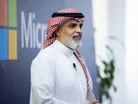
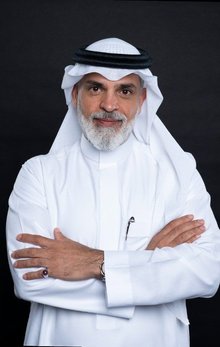
“Confirming that customers will be able to run cloud workloads from our Saudi Arabia East data centre region in Q4 2026 provides organisations with clarity as they plan their digital and AI journeys,” says Turki Badhris, President of Microsoft Arabia.
“We’re working closely with government entities, enterprises and partners on readiness, from data modernisation and governance to skills, so customers can move from experimentation to production with confidence.”
Company portals

Executives
Brad Smith
Vice Chair and President
Turki Badhris
President Microsoft Arabia