
Microsoft Has Found a Weakness in Global Biosecurity Systems
A group of researchers at Microsoft have uncovered a critical vulnerability in global biosecurity systems, demonstrating that widely available AI protein design tools can be exploited to create synthetic toxins that evade existing screening measures.
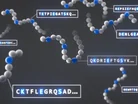
The company's study, published in the journal Science on 2 October, has revealed that open-source AI protein design (AIPD) tools could generate thousands of redesigned versions of specific toxins by altering amino acid sequences whilst preserving their structure and potentially their function.
Most concerningly, the study found these computer-simulated redesigns were able to bypass screening systems used by DNA synthesis companies, exposing what Microsoft describes as a significant blind spot in current biosecurity infrastructure.

A collaborative response
The discovery prompted a 10-month collaborative effort involving Microsoft scientists and DNA synthesis companies to develop and deploy a security patch addressing the vulnerability.
Eric Horvitz, Microsoft's Chief Scientific Officer of Microsoft, started this entire project off the back of one question: "Could today's late-breaking AI protein design tools be used to redesign toxic proteins to preserve their structure – and potentially their function – while evading detection by current screening tools?"
"The answer to that question was yes, they could," Eric says.
The research team, led by Eric and Senior Applied Bioscientist Bruce Wittmann, worked discreetly to formulate new biosecurity "red-teaming" processes adapted from cybersecurity emergency response scenarios.
Screening inadequacies revealed
The study found that existing screening software and processes were inadequate at detecting what researchers termed "paraphrased" versions of concerning protein sequences.
Eric sees AI-powered protein design as one of the most exciting areas of AI development, but he also knows that the speed of advancement raises concerns about potential malevolent applications.
"Following the launch of the Paraphrase Project, we believe that we've come quite far in characterising and addressing the initial concerns in a relatively short period of time," he says.
However, Eric has warned that some challenges might be a little difficult to shake off.
"There are multiple ways in which AI could be misused to engineer biology – including areas beyond proteins," he explains. "We expect these challenges to persist, so there will be a continuing need to identify and address emerging vulnerabilities."
Dual-use technology
The research highlights the dual-use nature of AI protein design tools, which lower the barrier of expertise required for biological research whilst simultaneously increasing accessibility for potential misuse.
AIPD tools have legitimate applications ranging from proteins in laundry detergents optimised for stain removal to sophisticated efforts creating antidotes for snake venom.
Future applications could include breakthroughs in cancer treatment, immune disease therapies and early detection of health threats.
Eric makes very clear the importance of public awareness, when it comes to both benefits and risks.
"I think it's important that everybody understands the power and promise of these AI tools, considering both their incredible potential to enable game-changing breakthroughs in biology and medicine and our collective responsibility to ensure that they benefit society rather than cause harm," he says.

Collaboration across sectors
One unexpected outcome was the rapid formation of an effective cross-sector team that met regularly throughout the 10-month process.
"It was surprising to see how effectively a cross-sector team could come together so quickly and collaborate so very closely at speed, forming a cohesive group that met regularly for months," Eric reflects.
The team developed and distributed a fix that has now been implemented globally by DNA synthesis companies.
Microsoft hopes the study provides guidance on methods and best practices that others can adapt, emphasising the need to invest simultaneously in innovation and safeguards rather than treating them as competing priorities.
Company portals

Executives

Eric Horvitz
Chief Scientific Officer