Microsoft Rethinks DEI Goals in Staff Reviews After Pushback
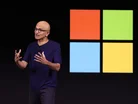
Microsoft has adjusted its approach to diversity and inclusion, removing related metrics from employee performance assessments.
This change brings an end to a system that has been a part of Microsoft's review process for five years.
The adjustment means staff at Microsoft will no longer be mandated to create yearly DEI-focused objectives or provide evidence of their efforts to enhance workplace diversity during their performance reviews.
Previously, every employee was required to set up a DEI Core Priority. This involved choosing specific areas of focus, such as developing inclusive products, getting involved with employee resource groups or practising allyship.
These objectives were then discussed with managers and evaluated in annual performance discussions where employees had to show how they had contributed to Microsoft's diversity goals.

The updated system now prioritises simplified goal-based results with security as the sole compulsory element for all staff to address.
While employees can still voluntarily engage in inclusion activities, these efforts are no longer formally tracked or factored into performance scores.
A change in DEI reporting
In addition to the changes in performance reviews, Microsoft has announced that it will not release a diversity and inclusion report in 2025.
This decision concludes a series of annual disclosures that Microsoft has been making since at least 2015.
The report from October 2024, which is 44 pages long, provided in-depth data on workforce demographics, pay equity and employee turnover rates among various groups.
At the time of its release, Microsoft's Chief Diversity Officer, Lindsay-Rae McIntyre, described it as "our most global and transparent report to date" and highlighted that it was Microsoft's sixth consecutive annual global diversity report.
Frank Shaw, Microsoft's Chief Communications Officer, told Game File that Microsoft is transitioning "to formats that are more dynamic and accessible – stories, videos and insights that show inclusion in action" instead of creating a conventional, detailed document.
Frank also says: "Our mission and commitment to our culture and values remain unchanged: empowering every person and organisation to achieve more.”
Technology sector rethinks diversity programmes
The adjustments at Microsoft are part of a wider trend among major technology companies, many of which have been quietly reducing their formal DEI commitments.
In March, Google altered the language on its Responsible AI and Human-centred Technology team webpage, removing terms like "marginalised communities" and "underrepresented groups" and replacing them with more general phrases such as "varied".
Similarly, Meta announced earlier this year that it would scale back its DEI initiatives.
In an internal memo, Jannelle Gale, VP of Human Resources at Meta, wrote that the term DEI had become "charged" and that such programmes were facing increased scrutiny in the current legal climate.
The memo alluded to a 2023 Supreme Court ruling that overturned affirmative action in universities, a decision that has created uncertainty for corporate diversity programmes aimed at supporting socioeconomically disadvantaged groups.
The question of accountability
With the removal of structured reporting and mandatory performance metrics, some observers have voiced concerns about the ability to track and maintain progress in diversity.
Microsoft insists that its cultural expectations regarding inclusion are still in place even if they are no longer part of the formal review process.
However, the change from required goals to voluntary involvement raises questions about whether employees and managers will stay as engaged when diversity-related work no longer influences career progression.

Microsoft's October 2024 report shows slight improvements in representation, with women making up 31.6% of the core workforce and 5.7% of global employees identifying as having a disability.
The report had also noted a 270% rise in employees taking diversity and inclusion training courses since the DEI Core Priority system was introduced, a figure that could be challenging to sustain without the incentive of performance reviews.
These developments could suggest that while Microsoft continues to present diversity as a priority in its public statements, the formal systems for ensuring accountability and tracking progress are being quietly phased out.


Executives

Frank Shaw
Chief Communications Officer

Janelle Gale
VP of Human Resources
Lindsay-Rae McIntyre
Chief Diversity Officer and Corporate Vice President of Talent and Learning
Satya Nadella
Chairman and CEO