Why Has Mitel Moved its IP Phone Manufacturing to Germany?
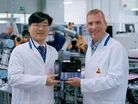
Mitel has entered a new manufacturing agreement with Gigaset to move its IP phone production to Germany.
The move is designed to reinforce supply security for its partners and customers in Europe and stabilise the global availability of its products.
For technology and procurement leaders, the move to a highly automated facility in Bocholt, North Rhine-Westphalia, could reduce logistics exposure and shorten lead times.
“As global supply chains face increasing volatility, we are taking strategic proactive steps to ensure quality and reliability for our customers,” says Martin Bitzinger, Senior Vice-President of Product Management at Mitel.
“This move leverages renowned German engineering to enhance device quality and reliability.
“For our customers, it means predictable access to our trusted products and a robust foundation for their communications infrastructure."
German manufacturing and supply chain security
Under the terms of the agreement, Gigaset will manufacture approximately one million Mitel IP phones each year.
While Gigaset will handle the precision manufacturing, Mitel is set to retain full control of its hardware design and software development.
This operational model aligns with Mitel’s hybrid communications strategy and could create a platform for future innovation, such as the integration of AI-driven capabilities.
The move to German manufacturing supports tighter quality control measures, robust testing protocols and consistent component sourcing.
For organisations managing large device estates across multiple locations, this could translate to fewer defects, stronger warranty performance and clearer service level governance with a single accountable original equipment manufacturer. This increased reliability is a key factor for ensuring business continuity.

A focus on compliance and sustainability
The Gigaset facility in Bocholt is not only highly automated but also operates with a focus on environmental responsibility.
Its processes are compliant with the Trade Agreements Act (TAA) standards, a key benefit for public sector and other regulated organisations that are required to meet strict product origin rules and provide audit-ready documentation for their procurement decisions.
“We are delighted to expand our partnership with Mitel further, and through our production in Bocholt send a strong signal of quality, reliability and ‘Made in Germany'," adds Ralf Lueb, Senior Vice President Global Sales & Marketing at Gigaset.
“With our highly automated and precision-driven manufacturing, we provide Mitel customers in Europe and worldwide with the assurance of faster delivery times, the highest quality standards and long-term planning security."
The move also has sustainability implications by reducing the need for intercontinental freight, which can contribute to Scope 3 emission reductions.
Market context and strategic outlook
Despite the rise of software-based collaboration tools, desk and cordless phones remain a central component of Mitel’s hybrid portfolio.
These devices are vital for frontline roles, emergency response services and for maintaining secure voice communications. According to Frost & Sullivan, the device market remains sizeable, valued at approximately US$2bn.
By anchoring its manufacturing in Europe, Mitel shortens regional lead times and strengthens supply continuity for its partners and end users in more than 100 countries.
Chris Pennell, Industry Principal at Frost & Sullivan, adds: “Mitel’s decision to move handset production to Germany is a significant strategic move that strengthens supply chain resilience and reinforces its connection to European markets.
"This transition allows Mitel to leverage Germany’s rigorous and high-quality standards and demonstrates its commitment to long-term competitiveness and customer trust.”
Through its collaboration with Gigaset, Mitel is making a targeted investment in quality, efficiency and supply chain integrity. The partnership strengthens its operational resilience while addressing procurement demands for reliability and innovation.
Company portals

Executives
Christopher Pennell
Industry Principal
Martin Bitzinger
Senior Vice President Product Management & Marketing

Ralf Lueb
SVP Global Sales & Marketing