Palantir: How is AI Reshaping Workforce Skills and Hiring?

The integration of AI into business operations is prompting technology leaders to reconsider how organisations identify, develop and deploy talent.
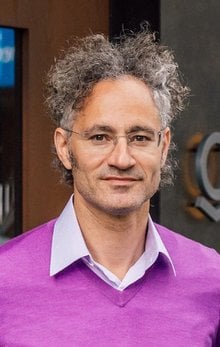
According to Alex Karp, CEO of Palantir, the shift could mean traditional humanities-based learning becomes "hard to market" as AI systems take on more cognitive tasks.

Palantir has positioned itself at the forefront of this shift with unconventional hiring practices.
In 2025, the company launched its Meritocracy Fellowship, a paid engineering programme that recruits high school graduates to study philosophy and history before working on real-world projects.
The company describes the initiative on its website as a way "to cultivate exceptional talent, increasingly overlooked, regardless of background".
"We believe those with the highest aptitude deserve challenges, not a set curriculum; agency, not merely a credential; and responsibility, not busy work," Palantir says.
This practical approach to talent acquisition reflects Alex's personal experience with traditional education systems.
After completing his PhD in philosophy, he struggled to find employment, saying that he remembered thinking "I'm not sure who's going to give me my first job."
In a November 2025 interview with Axios, he explained his views on modern career pathways, saying: “If you are the kind of person that would’ve gone to Yale, classically high IQ, and you have generalised knowledge but it’s not specific, you’re effed.
“There’s some schools you should maybe go to, otherwise, go to the cheapest school and come to Palantir – or just come here."
Rethinking aptitude assessment methods
At the World Economic Forum (WEF) in Davos, Alex explained that the modern workforce requires "different ways of testing aptitude".
He says: "In the past, the way we tested for aptitude would not have fully exposed how irreplaceable that person's talents are."
This perspective aligns with broader industry trends around skills-based hiring and competency assessment.
As AI systems become more sophisticated at handling routine cognitive tasks, organisations are looking for different indicators of human value and contribution potential.
The challenge for technology leaders lies in identifying which human capabilities remain essential when intelligent systems can process information, recognise patterns and generate insights at scale.
Traditional markers of aptitude, such as academic credentials and standardised test scores, may no longer adequately predict success in an AI-augmented workplace.
Organisations are experimenting with alternative assessment methods, including project-based evaluations, real-world problem-solving exercises and demonstrations of adaptability.
These approaches aim to measure qualities that complement AI capabilities rather than compete with them.
Building transparent AI adoption frameworks
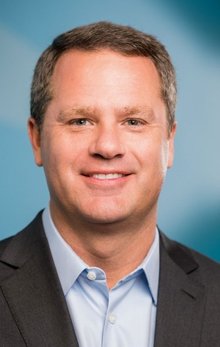
Doug McMillon, CEO of Walmart, shared his perspective on workforce transformation in a September 2025 press conference.
He said: "I think the way for us all to approach it, especially here at Walmart, is just in a very transparent, honest, straightforward way, talking to people in real time about what we're learning and what we're doing and why we're doing this."
Doug also noted that he believes "AI is going to change literally every job", highlighting the scale of transformation facing organisations across sectors.
This transparency-focused approach could prove essential as organisations navigate the complex human dynamics of AI integration.
Workers need clarity about how their roles might evolve and what skills they should develop to remain valuable contributors.
The technology sector's approach to these workforce transitions could set precedents for other industries as AI capabilities continue to expand.
Whether through skills-based hiring, collaborative frameworks or transparent communication strategies, organisations are testing different models for human-AI integration that could define the future of work.
Company portals




Executives
Alex Karp
CEO
Doug McMillon
President & CEO