PwC: Semiconductor Fab Investment to Hit US$1.5tn by 2030
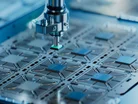
The semiconductor industry is witnessing its largest construction boom in history, as AI workloads and electric vehicle adoption drive unprecedented demand for advanced chips.
To meet this demand, global fabrication facilities will require investment exceeding US$1.5tn between 2024 and 2030, according to PwC’s Semiconductor & Beyond 2026 report: a figure matching the total investments made across the previous two decades.
According to SEMI data, 18 new fab construction projects are expected to start in 2025 with the majority beginning operations from 2026 to 2027. Government intervention has sparked what PwC describes as a transformative period, with the US CHIPS Act alone driving more than US$630bn in semiconductor supply chain investments across 28 states.
The scale of current commitments is staggering. Texas Instruments announced in June 2025 its plans to invest more than US$60bn across seven US semiconductor fabs: the largest investment in foundational semiconductor manufacturing in US history. Intel, the biggest recipient of the Biden administration’s CHIPS Act with US$7.86bn in direct funding plus an additional US$3bn for secure government manufacturing, plans to invest over US$100bn across four states.
Glenn Burm, Global Semiconductors Leader and Partner at PwC US, says: “The industry is currently undergoing a rapid transformation, driven by AI advancements, geopolitical shifts and increased government investments.”
Data centres reshape semiconductor demand as AI accelerators dominate
The AI revolution is rewriting semiconductor demand patterns, with PwC forecasting the global server market will exceed US$300bn in 2030 as AI workloads drive unprecedented growth in data centres.
By 2030, the server and network segment is expected to become the largest semiconductor demand market, according to PwC analysis. The most dramatic shift involves AI accelerators in data centres, projected to reach approximately 50% of total segment revenue: up from a fraction of the market just years ago.

Beyond traditional chip companies, cloud service providers including Amazon, Google and Microsoft are developing custom AI accelerators optimised for their own data centres, challenging established players like Nvidia and AMD.
The expansion of AI algorithms across industries – from financial services to manufacturing – is creating sustained demand for cost-effective semiconductor solutions. High-bandwidth memory components are experiencing parallel growth as organisations require faster data processing capabilities to support machine learning applications.
Automotive semiconductors surge as electric vehicles reshape power electronics
The automotive industry represents the second-fastest growing semiconductor market segment, with PwC projecting annual growth of 10.7%. Electric vehicles and autonomous driving technologies are driving this expansion as cars become increasingly electronic.
PwC analysis suggests hybrid and electric vehicles might represent 50% of total vehicle sales by 2030. This transition is creating fundamental changes in semiconductor requirements, with power semiconductors potentially accounting for more than 50% of total semiconductor costs in vehicles.
The shift demands new materials. Silicon-carbide and gallium-nitride semiconductors are expected to replace silicon in electric vehicle power electronics, offering enhanced efficiency, power density, and charging speed capabilities. By 2030, more than 60% of automotive power semiconductors are expected to be gallium-nitride and silicon-carbide, compared to their current combined 23% market share, PwC says.
Consumer electronics drive complementary growth segments
Beyond data centres and automotive applications, consumer electronics continue expanding semiconductor demand. The home appliance sector is anticipated to grow by 5.6%, according to PwC reports, whilst augmented reality, virtual reality and personal robots show higher growth rates of 24.5% and 12.9% respectively by 2030.
- Global semiconductor fab investments from 2024-2030 will exceed US$1.5tn
- AI accelerators are projected to reach 50% of data centre semiconductor revenue by 2030
- The industry requires an additional 100,000 engineers by 2030
AI appliances, from smart refrigerators to robotic vacuum cleaners, are increasing demand for AI processors and power management integrated circuits. These devices require local processing capabilities to reduce latency and improve privacy, driving demand for edge computing semiconductors.
The PwC report examines five transformative technologies expected to influence the semiconductor market beyond 2030: Advanced AI, Robotics and Driverless Technology among them. Each represents potential demand drivers that could reshape the industry again within the decade.
Glenn says: “As semiconductor security bears even more weight on the pace of innovation and economic growth, companies must adopt a forward-looking approach to remain competitive. Through this report, we aim to provide industry leaders, policymakers and businesses with the insights they need to navigate the future of this dynamic sector.”