
SpaceX Pulls Biggest IPO in History, Surging Past US$2tn
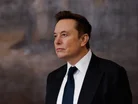
Breaking Saudi Aramco's 2019 record, SpaceX's Wall Street debut, after its historic US$75bn IPO, took its shares jumping by over 19% on 12 June. The company is now valued over a whopping US$2tn, making Elon Musk the world's first trillionaire.
The company tested the Nasdaq waters after intense investor demand generating US$2.1tn after the shares ended the day at US$160.95.
Exchanges and trading firms were keen to avoid the technical mishaps which marred the 2012 debut of Meta, when severe order-processing glitches on the exchange delayed the opening, leaving the investors blind to whether its trades had executed.
However, the SpaceX launch was much smoother than anticipated.
The historic listing is also being widely viewed as a crucial dress rehearsal for a new generation of mega-listings, with market participants watching the opening hours closely to gauge investor appetite ahead of forthcoming IPOs for AI heavyweights Anthropic and OpenAI.
Anticipating immense volume that will test the limits of Wall Street trading, Samuel Kerr, Global Head of Equity Capital Markets at Mergermarket, expected a strong opening for the aerospace manufacturer, as per Reuters.
He says: “We would expect SpaceX to see an immediate pop in trading due to the hype around the deal, north of 20% perhaps. Anything lower would actually make me nervous.”
A global ripple effect
The later half of the year anticipates a wave of historic IPOs from pure-play gen AI behemoths that could also see valuations climb past the trillion-dollar mark.
Perplexity’s CEO, Aravind Srinivas, says: “I certainly think there will be ripple effects if they don’t go well, like there is no sugar coating on that. The SpaceX IPO this week will definitely be a leading indicator to how Anthropic or OpenAI will go out.”
The landmark listing cements Elon Musk as the first trillionaire ever and propels SpaceX into the ranks of the world’s most valuable companies.
It is now the sixth biggest US company by value.
This valuation stands even though the firm posted a loss of nearly US$5bn last year and generated only a fraction of the revenue brought in by similarly valued tech giants.
Giving SpaceX only a 10% chance of succeeding at all, even its CEO, Elon Musk, had expressed early doubts about the venture.
Musk premium
The stock performance will also be a test for the so-called ‘Musk premium’, that is supposedly the extra value investors are paying for the company just because Elon runs it.
It was the same phenomenon that previously pushed Tesla past US$1tn.
Wall Street is now keenly watching to see if this investor faith holds for SpaceX post its Nasdaq debut, despite recent controversies surrounding Musk’s role in the US Government.
The valuation could rise further should underwriters exercise their right to sell additional shares, a decision typically made within 30 days after the offering.
Although SpaceX may have to wait for entry into the S&P 500, its expected fast-track inclusion in the Nasdaq 100 will soon make it a major holding for passive funds and ETFs that track the index. This will create a fresh source of demand for its shares.

Joel Shulman, CEO of ERShares, which manages an ETF that has an exposure to SpaceX, says to Reuters: “We have to go back 100 years to get comparable entrepreneurs. He is a visionary unlike others, and he executes extremely well.”
It will take about a month before it gets added to that index under the new fast-entry rules of Nasdaq, as opposed to a typical wait of as much as a year.
Some analysts expect the debut of SpaceX to trigger a reshuffling of investor portfolios, creating selling pressure on other technology heavyweights as funds rotate into the stock.
Company portals






Executives

Elon Musk
Tesla CEO

Joel Shulman

Samuel Kerr