
SpaceXAI and Anthropic Partners for Compute and Orbital AI
Anthropic has expanded usage limits for Claude Code and Claude API following a partnership with SpaceXAI that grants them access provides access to Colossus 1.
Colossus 1 – the AI supercomputer – ranks among the world's largest and fastest-deployed systems for machine learning workloads. According to Anthropic, the agreement will substantially increase the company's compute capacity.
Access to 300 megawatts of compute
Colossus 1 delivers more than 300MW of compute power through a cluster of over 220,000 NVIDIA GPUs. With an infrastructure that includes H100, H200 and next-generation GB200 accelerators, the system supports frontier-scale AI training, inference, multimodal systems and scientific simulations.

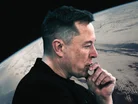
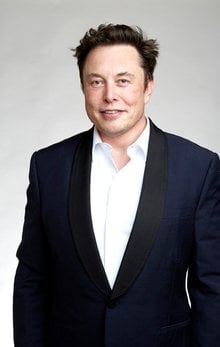
Elon Musk, Chief Executive Officer of SpaceXAI, said he spent time with members of the Anthropic team before agreeing to the deal, after which his opinion on them seemed to have softened, from previously calling the company “evil” and “misanthropic”.
"I spent a lot of time last week with senior members of the Anthropic team to understand what they do to ensure Claude is good for humanity and was impressed," Musk wrote in a post on X.
"Everyone I met was highly competent and cared a great deal about doing the right thing. After that, I was ok leasing Colossus 1 to Anthropic, as SpaceXAI had already moved training to Colossus 2," Musk said.
Doubled rate limits for enterprise
After the new compute deal, Anthropic has doubled Claude Code's five-hour rate limits for Pro, Max, Team and seat-based Enterprise plans.
Peak hour reductions in Claude Code for Pro and Max accounts have been lifted, and the company now offers higher rate limits for Claude Opus models. The changes apply across multiple tier structures.
Additional capacity agreements contributed to the expanded limits. Anthropic's 5GW agreement with Amazon, a deal worth a similar capacity with Google and Broadcom and a partnership with Microsoft and NVIDIA that brings US$30bn of Azure capacity, all added compute resources.
Orbital compute partnership
The partnership extends beyond terrestrial infrastructure. Anthropic expressed interest in working with SpaceXAI to develop multiple gigawatts of orbital AI compute capacity.
Compute has become a limiting factor for AI development. Energy needs for training and operating next-generation systems are increasing faster than traditional power, cooling and land resources can accommodate, according to industry assessments.
"SpaceX is the only organisation with the launch cadence, mass-to-orbit economics and constellation operations experience to make orbital compute a near-term engineering program rather than a research concept," the SpaceXAI press release reads.
"If engineering challenges can be overcome, space-based compute offers near-limitless sustainable power with less impact on Earth."
Infrastructure availability determines development pace
Cursor announced earlier this year it was partnering with SpaceXAI to accelerate training for its Composer coding models using Colossus infrastructure. According to Cursor, each increase in compute translated into more capable models.
The company said it had been bottlenecked by compute before securing access. This pattern appears across the AI sector, where infrastructure availability determines how quickly companies can develop systems.
Demand for compute capacity has grown as developers and enterprise users adopt AI products. Dario Amodei, Chief Executive Officer of Anthropic, said his company planned for tenfold growth.
Revenue and usage increased 80-fold in the first quarter on an annualised basis, according to Dario.
"That is the reason we have had difficulties with compute," he said, adding that the company is "working as quickly as possible to provide more".
The gap between projected and actual demand could mean other AI companies face similar capacity constraints. Hardware procurement cycles typically span months or years, which may not match the pace of user adoption.




Executives

Dario Amodei
CEO and Co-Founder
Elon Musk
Tesla CEO