
SAP Enhances Sustainability Footprint Management
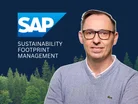
SAP is enhancing its Sustainability Footprint Management platform, signalling a strategic direction for enterprise resource planning that extends beyond carbon accounting.
SAP has updated the tool to incorporate a wider array of environmental metrics including land use, energy consumption and waste generation.
This development could change the function of sustainability data from a regulatory reporting requirement to a source of competitive intelligence.
The solution, first launched in 2021 as a carbon management tool, is evolving due to increasing corporate pressures.
These pressures come from new regulations investor expectations and the financial implications of emissions.
By expanding the platform's capabilities SAP is enabling businesses to develop a more detailed overview of their environmental impact.

Integrating footprint analysis with core operations
The platform's redevelopment aims to help "transform sustainability into a catalyst for long-term business value", Gunther Rothermel Co-General Manager and Chief Product Officer at SAP Sustainability, says.
He describes the tool as an "ERP-centric, AI-enabled foundation to help calculate, analyse, and manage your company's environmental impacts".
The system operates by drawing on business data directly from SAP Cloud ERP.
It integrates this core information with energy flow data and supplier details to automate the calculation of environmental footprints at both a corporate and product level.
This integration with fundamental business processes like finance and procurement marks a departure from conventional sustainability reporting which is often managed in separate systems.
Gunther adds: "SAP Sustainability Footprint Management can turn fragmented data into integrated, actionable insights".
The goal is to produce audit-ready data rather than estimations with AI functionalities included to minimise the need for manual data handling.
Strategic applications beyond compliance
This expansion of the platform opens up several strategic applications for businesses that go beyond meeting reporting obligations.
Companies can leverage the detailed data to guide product innovation focusing on reducing environmental effects and embracing circular economy models.
Decisions within the supply chain such as material sourcing and product design can now be informed by integrated environmental footprint information.
The data could also help companies identify opportunities to improve resource efficiency and potentially create new income streams.
The system is also designed to support budgeting for future carbon costs and to help build stronger supplier relationships based on transparent and shared sustainability performance metrics.
Data integration as a differentiator
The platform's primary distinction from other standalone sustainability tools is its deep integration with the SAP Business Suite.
This embedded design provides sustainability insights directly within the operational workflows where key business decisions are made.
Gunther describes SAP's sustainability management system as "the single source of truth that can be embedded across your operations, turning reporting into business value".
This approach connects sustainability metrics with financial data and operational processes.

For businesses already utilising SAP systems it eliminates the need to invest in and manage a separate data infrastructure for sustainability reporting.
This integration is part of a wider portfolio of sustainability solutions from SAP.
Gunther explains: "Our approach to sustainability treats environmental footprint calculations – now with an expanded scope in SAP Sustainability Footprint Management – as a strategic asset that enables businesses to make business decisions".
This perspective aligns with a wider industry trend where environmental data is increasingly central to core business strategy.
As global regulations evolve the ability to track a diverse range of environmental metrics through integrated systems may become less of a differentiator and more of a competitive necessity.
Company portals
Executives

Gunther Rothermel
Chief Product Officer and Co-General Manager for SAP Sustainability