What Went Wrong For Amazon Fresh – and What Comes Next?
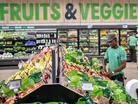
Amazon is preparing to shut down all of its Amazon Fresh stores in the UK, marking the end of a bold but ultimately unsuccessful foray into checkout-free grocery retail.
With the chains closing doors just four years after first appearing in the UK, this will go down as a disappointing episode in Amazon's largely successful history of corporate diversification.
The US tech giant will close all 19 Fresh stores across the country, though it plans to convert five of these locations into Whole Foods Market shops, the organic grocery chain it acquired for US$13.7bn in 2017.
The Fresh concept and UK launch
Amazon launched its first Fresh store in March 2021 in Ealing, west London, introducing British consumers to a radically different shopping experience.
The stores allowed customers to walk out with their groceries without using traditional tills or self-service checkouts.
Instead, shoppers used a mobile app to enter the store and were automatically charged when they left, with sophisticated cameras and sensors tracking which products they selected during their visit.
This "Just Walk Out" technology represented Amazon's vision for the future of retail, promising to eliminate queues and streamline the shopping process for time-pressed consumers.

Why Fresh flopped in the UK
Despite these impressive technological features, the checkout-free concept always struggled to find its footing in the competitive UK grocery market.
Demand for contactless shopping, which initially surged during the COVID-19 pandemic, began to wane as restrictions lifted and consumers returned to more traditional shopping habits.
Throughout its time in the UK, Amazon has been unable to pose a serious threat to established British grocery giants like Tesco, Sainsbury's and Waitrose, all of which have maintained their dominant market positions through extensive store networks, competitive pricing and loyal customer bases.
Amazon's technology-heavy approach also likely contributed to higher operational costs compared to more traditional supermarkets, making it difficult to compete on price with established retailers.
"As someone with a keen interest in innovation in the retail industry, it was revolutionary for Amazon to introduce contactless shopping," says Tom Smith, an Associate at Emery Planning Partnership.
"I'm sure other retailers will make use of this technology in the future. Anything is better than self-checkouts," he adds.
A chance for Whole Foods to fill the gap
The closure forms part of a broader overhaul of Amazon's grocery strategy, with the company placing renewed emphasis on its Whole Foods business, which it took over in 2017.
While Whole Foods has operated with significant independence since the acquisition, Amazon has gradually started to exercise more control over the brand.
Over the summer, Amazon extended its corporate staff programmes, including pay structure and benefits, to its US corporate employees at Whole Foods, in a move designed to bring the business closer into the fold.
This shift suggests Amazon is consolidating its physical grocery presence around the established Whole Foods brand rather than continuing to develop its Fresh concept.
What happens next for Amazon's UK grocery ambitions
Despite withdrawing all its physical Fresh stores in the country, Amazon is not abandoning the UK grocery market entirely.
The company has announced that it plans to double the number of Prime subscription members in the UK by offering customers access to at least three of its grocery options, through partnerships with Morrisons, Iceland, Co-op and Gopuff.
Shoppers will also be able to buy fresh groceries, including dairy, meat and seafood, directly from the Amazon website from next year.
"Since 2008, we've worked hard to innovate to help our customers save time and money when shopping for groceries and household essentials," says John Boumphrey, Country Manager for Amazon UK.
"We continue to invent and invest to bring more choice and convenience to UK customers, enabling them to shop for a wide range of everyday essentials and groceries with low prices and fast delivery through Amazon.co.uk, Amazon Fresh and Whole Foods Market stores, alongside our third-party grocery partners, including Morrisons, Co-op, Iceland and Gopuff," he adds.
Broader challenges in UK operations
Recently, Amazon's grocery business has been facing some intense scrutiny from British regulators.
In June, the Groceries Code Adjudicator launched an investigation into Amazon over claims that the firm was failing to pay its suppliers on time.
The company has also faced demands to comply with the Groceries Supply Code of Practice, highlighting the regulatory challenges facing international tech companies operating in the UK market.
Amazon stated it would offer affected staff new roles in other parts of the business. While it has been speculated that around 250 jobs are at risk, the company is yet to confirm how many employees will be impacted by the closures.