Will Sky and ITV's US$2.1bn Deal Reshape UK’s TV Landscape?
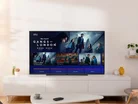
As global streaming giants flood the market with endless content, traditional television networks have found themselves outpaced on their own turf.
Comcast, which owns Sky, has responded by agreeing to buy the broadcast channels and streaming service of ITV for £1.6bn (US$2.13bn).
The deal, announced on Monday (6 July), has been labelled a "defining moment" in British broadcasting history by Dana Strong, CEO of Sky.
The takeover of the UK's biggest free-to-air commercial broadcaster by pay-TV giant Sky comes as the rise of streaming platforms leaves traditional companies exposed.
Domestic networks are being forced to unite to protect their advertising revenue and audience share.
Following the announcement, shares in ITV rose 1.2% to 83 pence.

- The combined broadcasting entity will reach more than 20 million households across the UK
- Shares in ITV declined by 36% over a five-year period due to a challenging advertising market
Targeting ad revenues
The merger of ITV and Sky will account for more than 70% of the UK television advertising market, including contracts for third-party broadcasters.
ITV has struggled of late in a tough ad market, with shares declining 36% over the last five years. This drop has occurred as traditional television steadily loses audiences to streaming and YouTube, particularly among 16 to 24-year-olds.
Dana adds: “ITV will remain a public service broadcaster at the heart of British life, and we’re excited about the future we can build together."
Carolyn McCall, CEO at ITV, says the combination of ITV channels and streamer ITVX with Sky benefits viewers and advertisers.
She explains: “At a time of really rapid change in viewer behaviour and growing competition from US streamers for both audiences and advertisers, this deal strengthens British content investment.”
Both companies expect the deal to face a lengthy anti-trust review and public interest tests, where regulators and lawmakers will decide if they accept the argument that radical market change warrants more flexibility.
During the review, news will be a key focus. Sky has rolling news service Sky News, while ITV has national bulletins made by news provider ITN and its own regional news programmes.
Sky is expected to commit to Sky News beyond 2029, in line with guarantees made by Comcast, with Sky News and ITV News remaining distinct.
Dana says: "We’re quite excited about ITV regional news specifically and the ability for us to make that more visible."
ITV will retain a 20% stake in ITN while another 20% stake transfers to Sky.
Financial gains vs budget cuts
While Dana foresees some job losses, she clarified that the majority of £200m in synergy savings comes from marketing, technology and non-British content.
The combined company is expected to reach more than 20 million households.
The deal will give ITV £1.2bn (US$1.6bn) in cash and up to £200m (US$266.3m) in an earn-out agreement which depends on its advertising performance in the 2027 financial year.
The company will also give around £950m (US$1.26bn) to shareholders and will get Love Productions, maker of The Great British Bake Off, which joins the remaining ITV Studios business.
Founded by Rupert Murdoch in 1989, the Murdoch family once defined Sky, with Rupert’s son James Murdoch managing key operations until Comcast bought it in 2018.
The US giant is now reportedly planning a corporate spin-out of its media assets to survive the pressure from its streaming rivals.


Executives

Carolyn McCall DBE
Chief Executive
Dana Strong CBE
Group CEO