Top 10: Employee Experience Platforms
What exactly is an employee experience platform? Ask three tech leaders and you’ll get three different answers.
Some define it strictly as Digital Employee Experience (DEX), using agents to track device health, trigger self-healing automated scripts or resolve tickets via ITSM integrations. Others view it as a broader ecosystem covering employee productivity, finance and HR.
While this top 10 list features both approaches, we lean heavily toward cross-operational platforms. After all, a true experience must prioritise people, meaning the human-centric HR aspect of work should take centre stage.
The best modern platforms bridge this gap. They blend deep IT telemetry and anomaly detection with organisational context imported from HR directories. By pairing backend health scores with bidirectional communication, these tools don’t just monitor screens; they actively listen to employees, turning technical data into human-centric workflows.
10. Nexthink Infinity
Rating: 4.6/5 (Gartner Peer Insights)
Focus: DEX
Company: Nexthink
Year founded: 2004
Nexthink was founded to help IT teams manage digital work environments better. Its DEX management platform Nexthink Infinity is transforming the digital workplace for millions of employees worldwide.
The platform uses AI-driven, user-centric insights to reduce IT tickets, cut costs and encourage employee engagement.
Named as a leader in the 2024 and 2025 Gartner Magic Quadrant for DEX Management Tools, the platform undoubtedly deserves a place on this list.
9. Zendesk
Rating: 4.4/5 (Gartner Peer Insights)
Focus: IT, legal and facilities
Company: Zendesk
Year founded: 2007
While traditionally known for customer service, Zendesk is heavily utilised by modern enterprises to optimise their internal helpdesks. The platform centralises multi-channel employee queries – spanning email, chat and phone – into a single, organised ticketing workspace.
Driven by AI, Zendesk streamlines internal request management through automated ticket routing, intelligent triaging and automated macros that solve routine issues instantly. By providing comprehensive reporting on team performance and IT service-level agreements, it eliminates friction for internal support teams and ensures employees get the rapid technical assistance they need to stay productive.
8. monday service
Rating: 4.7/5 (G2)
Focus: IT, legal and facilities
Company: monday.com
Year founded: 2012

monday.com was fonded in 2012 as a project management and cloud-based work platform under the name DaPulse. It was later rebranded to its current name in 2017.
The company says that employee experience software should “move beyond ticket management, creating a frictionless work environment and connecting departments to prevent delays”.
monday service is an AI-powered service management and ticketing platform built on the monday.com Work OS. Used by customers including Canva, Coca-Cola, Lionsgate and Universal, the platform aims allows departments like IT, HR and customer support to manage incoming requests, track SLAs and automate workflows using AI tools that summarise tickets, categorise requests and draft responses.
7. HP Workforce Experience Platform
Rating: 4.4/5 (Gartner Peer Insights)
Focus: Employee devices
Company: HP
Year founded: 1939
HP’s Workforce Experience Platform is an AI-driven DEX solution that acts as an intelligent command centre, unifying performance data across PCs, printers, collaboration tools and peripherals.
It pairs deep predictive analytics with automated preventative workflows so IT teams can fix tech problems before they disrupt a user’s day.
Built with an open, multi-vendor design, it integrates with existing tools like Microsoft Intune and ServiceNow to manage Windows, macOS and Android fleets without requiring an IT overhaul.
6. HiBob
Rating: 4.2/5 (Trustpilot)
Focus: HR
Company: HiBob
Year founded: 2015
HiBob is an all-in-one HR platform for people, payroll and finance. It was designed to manage the entire employee lifecycle, including core HY, payroll, onboarding, performance, compensation management and workforce planning.
Built for growing, mid-sized and internationally distributed companies, typically ranging from 100 to 5,000 employees, it is chosen by companies that need dynamic, cross-border functionality.
The platform integrates with everyday productivity tools like Slack and Microsoft Teams, ensuring that insights and workflows are delivered seamlessly within the natural flow of work.
5. CultureAmp
Rating: 4.4/5 (Gartner Peer Insights)
Focus: HR
Company: Culture Amp
Year founded: 2009

Culture Amp is a powerful employee engagement and performance management platform designed to help companies improve retention and cultivate a positive workplace culture.
The solution specialises in capturing the voice of the employee through scientifically backed pulse surveys, turning silent workplace sentiment into highly actionable data.
Using advanced analytics and heatmap reporting, HR leaders can quickly identify engagement trends, track team health and pinpoint specific friction areas before they lead to turnover. It is an ideal platform for data-driven companies that want to move away from guesswork and actively build a better, more responsive employee experience.
4. Workday’s Employee Experience Platform
Rating: 4.5/5 (Gartner Peer Insights)
Focus: Cross-operations
Company: Workday
Year founded: 2005
Sana from Workday is an enterprise AI platform for HR, finance, IT, legal and operations.
The solution is built on an open platform to be flexible to adapt to how a business needs to use it.
Instead of navigating traditional menus, users can ask the AI to find documents, execute system changes and automate multi-step processes across over 3,000 enterprise applications.
Workday says Sana is more than a chatbot, though. It can automatically update records while adhering to a company’s existing security and permission frameworks with agentic AI.
“Being able to have this system of record and deploy agents that can go across different modules on a single platform will be super powerful,” says Emily Ho, Chief Accounting Officer at Snowflake, which is just one of the 11,500 customers of Workday.
3. Microsoft Viva
Rating: 4.4/5 (Gartner Peer Insights)
Focus: Cross-operations
Company: Microsoft
Year founded: 1975
Microsoft Viva is a comprehensive employee experience platform built directly inside the ecosystem millions already use: Microsoft 365 and Teams.
Rather than forcing users into yet another standalone portal, Viva embeds crucial pillars like connection, data-driven insights, clear purpose and continuous learning into the daily workflow.
Because it is highly customisable and open to developer APIs, tech leaders can effortlessly extend its capabilities, leveraging existing infrastructure to cultivate a healthier, higher-performing workforce without adding IT friction.
Features of the platform include Viva Amplify, which centralises campaign management, publishing and reporting; Viva Connections to connect employees with tools, news and resources; Viva Insights to support employee productivity and well-being with data-driven insights and recommendations; and, importantly, Viva Glint, which designed as a “voice of the employee” solution to help organisations understand and improve employee engagement.
2. Google Workspace
Rating: 4.6/5 (Gartner Peer Insights)
Focus: Cross-operations
Company: Google
Year founded: 1998
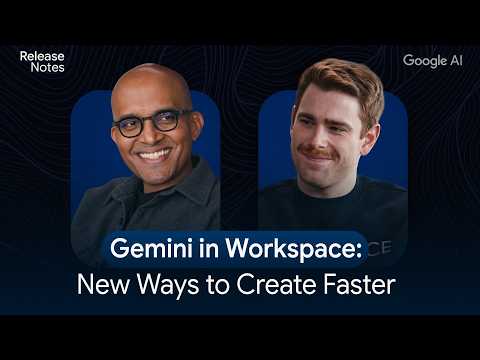
Google Workspace is a cloud-based collaboration hub, bringing together essential daily tools like Gmail, Drive, Docs, Sheets and Meet into a single integrated environment.
Built with a heavy emphasis on real-time, cross-departmental collaboration, it allows teams to co-author documents simultaneously, stream line communication and securely store data from any device.
The platform’s major strength lies in its accessibility and seamless ecosystem, making it a reliable staple for modern business operations. By eliminating the friction of traditional, localised software, Google Workspace ensures that distributed teams remain deeply connected and productive in their everyday workflows.
1. Unily
Rating: 4.7/5 (Gartner Peer Insights)
Focus: Cross-operations
Company: Unily
Year founded: 2005

Unily is an AI-native platform built to make work better for everyone by combining internal comms, HR and people tools and solutions, and IT observability of accounts and devices.
From an internal comms perspective, employees can use AI-enabled targeting to ensure their message reaches the right people.
Meanwhile, the HR intranet software streamlines human resources by supporting onboarding and providing a self-service approach to empower employees with the tools and information they need to succeed.
The platform is used by plenty of Global 2,000 companies, including big household names like American Express, Estee Lauder Companies, McDonalds, Johnson & Johnson and Shell, proving that it supports large enterprises with more than 10,000 employees.
Additionally, with integrations with Microsoft, Moveworks, ServiceNow, Workday and more, it can be used by anyone, regardless of other tech they are using.