
Tech and Energy Failures Behind Spain-Portugal Power Cut

Spain and Portugal were thrust into chaos on 28 April as a major power failure cut electricity to cities including Lisbon, Madrid and Barcelona.
Industries stalled, railways froze and sporting events like the Madrid Open came to a standstill.
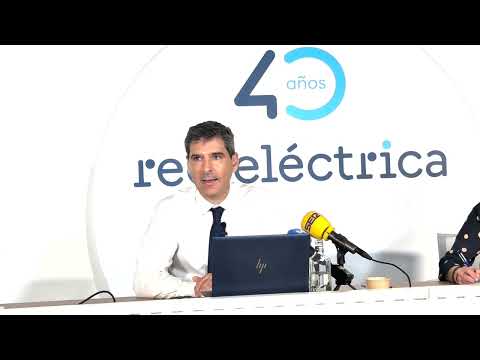
Spain’s electricity operator Red Eléctrica de España (REE) referred to the event as "el cero" — or "the zero" — saying: "Red Eléctrica and industry companies are working in a coordinated manner to restore power supply throughout the country as quickly as possible.
"The peninsular electricity system suffered a power outage this morning in mainland Spain and Portugal.
"We have activated the procedures planned for restoring power. In this phase of the work, the goal is to power the generating sets so they can start up and spread power to the grid and other sets."
By 7am local time on 29 April, REE reported that 99.95% of electricity demand had been restored, highlighting the speed and resilience of technology and IT systems used in energy recovery.
Unclear causes and energy system shocks
The exact cause of the outage remains unclear.
Spanish Prime Minister Pedro Sánchez warned citizens about misinformation, underlining the need for careful communication across IT and media networks.
Juanma Moreno, President of the Regional Government of Andalusia, suggested a cyberattack could be responsible, though this was swiftly rejected by government sources.
Portugal’s electricity operator Redes Energéticas Nacionais (REN) said the blackout stemmed from a major voltage fluctuation in the Spanish power grid while Portugal was importing electricity.
The fluctuation triggered protection systems in Portuguese power plants to shut down, functioning as designed to protect infrastructure and technology assets.
Technology's role in grid stability becomes clear here.
Energy control systems depend on sensors, algorithms and IT-driven analysis.
While variations caused by rapid changes in weather conditions, like shifts in temperature or wind speed, are common, it is rare for these fluctuations to cripple a national grid at such a scale.
Some French regions also suffered simultaneous outages, underlining the interconnectedness of Europe’s power and IT networks.
Renewables and the stability question
Questions surfaced about whether renewable energy sources, with their intermittent nature, might be linked to the crisis.
Renewables depend on weather conditions for generation, making grid management a balancing act of technology, forecasting and storage.
According to ElectricityMaps, just before the outage, 60.24% of Spain’s energy mix came from solar and 10.6% from wind.
Meanwhile, energy was being exported to hydro storage, Portugal, France, Morocco and Mallorca.
When the outage struck at 12:33pm local time, the heavy reliance on renewables, combined with exports, exposed vulnerabilities in the energy-IT infrastructure.
Non-intermittent sources like hydro, nuclear and natural gas made up 28.17% of the mix at the time, which may have been insufficient to stabilise the grid against such major fluctuations.
Post-outage, technology again played a critical role.
Solar continued to supply around 60% of the recovered energy needs, while imports from France supplemented the supply.
These figures illustrate the ongoing challenges of integrating renewable energy into existing IT and energy infrastructures.
Industry, IT systems and power resilience
As power returned, natural gas became the leading source of energy in Spain, supplying more than 50% of demand by 6am on 29 April.
However, the outage’s damage stretched far beyond homes and transport.
Nationwide rail systems halted, factories closed and IT systems across businesses failed without sufficient backup power.
Industries including automotive manufacturing, food production and chemicals faced immediate disruption. Supply chains reliant on seamless technology and energy streams also suffered setbacks.
Andrew Gordon, Managing Director UK&I at Eaton, said: "This is a reminder that energy resilience must be a strategic priority for businesses.
"Not only is it about prevention, but also how quickly and safely businesses can restore power when disruption strikes.
"Right now, organisations across Spain and Portugal will be working to get back up and running again to ensure financial and reputational damage is kept to a minimum.
"Even for those unaffected, this should be a wake-up call to make sure they are investing in the right technologies that can safeguard them from such costly and disruptive situations."
The situation lays bare the risks of digital and energy infrastructure dependency.
Both energy and IT systems must be robust enough to withstand and recover from shocks like these.
As technology continues to reshape the energy sector, balancing renewable integration, cyber protection and grid stability becomes an urgent priority for every nation.
Operational resilience becomes a priority
Early in 2024, Research and Markets predicts Spain’s data centre sector to expand rapidly, with market value expected to rise from US$1.9bn in 2023 to US$2.85bn, growing at a compound annual growth rate (CAGR) of 6.99%.
This surge highlights Spain’s growing role in Europe’s evolving technology landscape.
Neighbouring Portugal also accelerates its presence in the global technology and data centre arena.
As part of this shift, Start Campus launched SIN01, the largest data centre ever built and operated in the country.
SIN01 represents the first phase of the SINES Data Campus, a 1.2GW gigascale development focused on cloud, AI and high-performance computing (HPC) applications.
The rapid expansion of technology and data centre infrastructure in Spain and Portugal highlights a broader trend: the critical need for operational resilience.
As organisations and cities become more dependent on digital platforms to manage daily activities, the ability to withstand and quickly recover from outages becomes essential.
Bob Wambach, Vice President of Product Portfolio at Dynatrace, says: "As our cities become more reliant on software to run, preparing for the impact of these large-scale outages needs to be an absolute priority for government and private sector organisations alike."
The scale of development seen in Spain and Portugal is a tangible response to this challenge, ensuring that facilities are equipped to prevent downtime and maintain service continuity even during unexpected events.
Bob continues: "This is a real wake-up call to all businesses — particularly those that work in public sector or utilities businesses — to prioritise operational resilience in order to prevent these types of incidents from occurring in the first place."
The investments in Spain and Portugal signal a wider recognition that robust, scalable and resilient technology infrastructure is no longer optional.
It is an essential foundation for economic growth, national security and public confidence in an increasingly connected world.
Explore the latest edition of Technology Magazine and be part of the conversation at our global conference series, Tech & AI LIVE.
Discover all our upcoming events and secure your tickets today.
Technology Magazine is a BizClik brand