Tetra Pak: Behind its Latest Investment in AI Waste Sorting
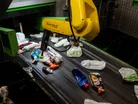
Tetra Pak has completed its 2025 UK investment programme with the installation of an AI-powered optical sorting system, which automatically picks through recyclable and non-recyclable waste.
The project has taken place at Levenseat Resource Management's recycling facility in Central Scotland and has been a resounding success so far.
Tetra Pak has funnelled US$1.8m into the programme to date, which represents the packaging company's most significant investment in British recycling infrastructure ever.
As a result, Levenseat has become the first Scottish materials recycling facility (MRF) to deploy Recycleye's QuantiSort technology, which uses AI and sophisticated camera systems to identify beverage cartons within mixed waste streams.
Pneumatic valves then separate those detected cartons from the rest of the waste stream, leaving them ready for recycling.

The initial rollout
The Scottish installation marks the final phase of Tetra Pak's three-part upgrade programme across the UK.
J&B Recycling in Hartlepool received two robotic sorting arms in May, whilst Cumbria Waste Management in Carlisle became the first UK facility to use QuantiSort technology in July.
The Cumbria installation followed successful deployments at Spanish MRFs, demonstrating the technology's scalability across different markets.
Levenseat serves multiple Scottish regions including Lanarkshire, Ayrshire and Dumbartonshire, potentially affecting carton recovery rates across a substantial geographic area.
An investment in the future of recycling
The timing coincides with Scotland's Circular Economy Act implementation and England's Simpler Recycling programme development.
Both regulatory frameworks aim to standardise collection practices and reduce consumer confusion about recyclable materials.
"We are delighted to be able to demonstrate the power that investment in cutting-edge AI technology holds when it comes to improving the UK's recycling infrastructure," says Awantika Chadha, Sustainability Manager at Tetra Pak UK.
For Awantika and the team, the Levenseat installation is viewed as a potential blueprint for future carton sorting capabilities across Scotland and the rest of the UK.
A partnership rooted in innovation
British start-up Recycleye has emerged as Tetra Pak's key technology partner across all three installations.
The collaboration represents a significant commercial opportunity for the AI company, which has positioned itself within the growing waste management technology sector.
"AI has the capability to transform waste management, and we hope that our work with Levenseat and others will show MRFs and local authorities the possibilities this flexible technology offers," says Victor Dewulf, Recycleye's Co-Founder and CEO.
The impact on the industry
The project in Scotland forms just a small part of Tetra Pak's ambitious waste management strategy, which has seen the Swedish firm commit US$44m annually to the development of packaging recycling systems.
The company has allocated US$3.1m specifically for UK carton sorting infrastructure, highlighting the market's strategic importance.
ACE UK reports that nearly three-quarters of British councils now collect liquid cartons at kerbside, creating demand for enhanced MRF processing capabilities.
"With almost three quarters of UK councils now collecting liquid cartons at the kerbside, it is vital that there is investment in MRF infrastructure," explains Mandy Kelly, CEO of ACE UK.
The investment programme addresses a critical infrastructure gap between collection rates and processing capacity, potentially improving overall recycling efficiency rates for beverage cartons across the UK market.