How ABB is Setting a New Benchmark for Clean Energy
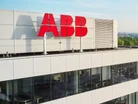
The world's largest next-generation geothermal development by installed capacity is being powered by advanced motor control solutions from ABB, following a contract agreement with Fervo Energy for its Cape Station project in southwest Utah.
The facility is expected to deliver 500MW of carbon-free baseload power to the grid once fully completed, potentially powering around 355,000 homes annually, according to Fervo's estimates.
Cape Station could represent a technological milestone in the expansion of enhanced geothermal systems across the US.
The project utilises horizontal drilling techniques adapted from the oil and gas industry, enabling Fervo to access previously untapped geothermal resources that were considered too difficult or uneconomic to reach using conventional methods.

The project is scheduled to begin delivering power by late 2026, with approximately 100MW coming online by early 2027 and the remaining 400MW added thereafter.
Bill Gates, whose organisation Breakthrough Energy is a major investor in Fervo, has been supportive of the company's work in Utah since it began.
"Geothermal power will have a big role to play in our clean energy future," he says in a statement.
ABB's technological deployment package
ABB's contract involves the delivery of more than 80 medium voltage drives to the site, which will manage the project's pumping equipment.
The technology package also includes medium voltage motors, generators, low voltage motor control centres and medium voltage switchgear to support multiple aspects of the project.
ABB will also supply prefabricated eHouses designed to house the well pad drive systems and associated electrical infrastructure.
"ABB is recognised globally for delivering reliable, high-performance electrification and motor control solutions for critical energy projects," says Tim Latimer, CEO and Co-Founder of Fervo Energy.
"Their proven track record and ability to advise, develop and execute at scale made ABB the clear choice again for the Cape Station project."
Enhanced geothermal systems technology
Fervo Energy's approach to geothermal development differs from conventional projects which typically rely on naturally occurring hydrothermal reservoirs.
Instead, Fervo's strategy encompasses drilling horizontal wells in geothermal reservoirs, allowing multiple wells from a single well pad.
This method could reduce surface footprint and minimise drilling risks whilst unlocking geothermal resources that were previously inaccessible.
The technique has drawn interest from utilities and corporate energy buyers seeking firm, dispatchable renewable energy that can complement intermittent solar and wind generation.
Enhanced geothermal systems have long been considered promising but have faced technical and commercial challenges that have limited deployment at scale.
Fervo's technological approach appears to be addressing these barriers through the application of proven drilling methods from adjacent industries.
Positioning for the energy transition
Brandon Spencer, President of ABB Motion, believes that this partnership is helping to reinforce his company's position in the renewable energy sector.
"Our strategic partnerships with innovative clean energy producers like Fervo Energy reinforce our commitment to expand the potential of reliable, renewable energy sources with our proven electrification technologies available today," he says.
"We are excited by Fervo Energy's work and, in particular, the potential of Cape Station to contribute to a sustainable energy future."
The deal builds on ABB's existing relationship with Fervo Energy, with Latimer's reference to ABB being "the clear choice again" suggesting a productive business relationship between the two firms.
The ramping up of the Cape Station project comes at a time when utilities and grid operators are looking to add firm capacity to support growing electricity demand from data centres, manufacturing reshoring and electrification of transport and heating.
Unlike oil or gas, geothermal energy does not have to contend with fuel supply risks or trade volatility, and unlike other renewable sources, including wind and solar, it can deliver consistent rather than intermittent supplies of energy.
The project's location in southwest Utah means that it will be able to serve load centres in the western US, a region experiencing rapid growth in electricity demand.
Cape Station's development schedule suggests first commercial operations could begin in late 2026, with full build-out extending over the following year.
The project's success could influence the deployment of enhanced geothermal systems elsewhere in the US and internationally, particularly in regions with suitable geology but limited conventional hydrothermal resources.
Company portals

Executives
Bill Gates
Chair