Meta's US$60bn AI Infrastructure Deal with AMD Explained

Meta and Advanced Micro Devices (AMD) have revealed a partnership that could reshape the landscape of AI infrastructure development.
The collaboration positions AMD's hardware at the core of Meta's artificial intelligence ambitions, with plans to deploy up to 6 GW of AMD's Instinct GPUs to support Meta's expanding computational requirements across its global operations.
The strategic alliance reflects Meta's need for diversified, scalable computing power to meet the demands of its worldwide AI workloads.
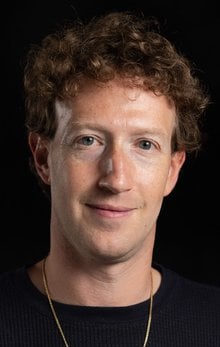
Mark Zuckerberg, Founder and CEO of Meta, says: "We're excited to form a long-term partnership with AMD to deploy efficient inference compute and deliver personal superintelligence."
He adds: "This is an important step for Meta as we diversify our compute. I expect AMD to be an important partner for many years to come."
Investment scale and market dynamics
The partnership represents a US$60bn investment from Meta's CEO, forming part of a broader trend across the technology sector.
According to Alvin Nguyen, an analyst at Forrester, US tech companies are expected to spend US$660bn on AI assets.
The data centre spending by AI leaders including OpenAI, Google and chipmaker NVIDIA is projected to reach US$3tn, underscoring the scale of infrastructure investment required for next-generation AI systems.
The announcement arrives amid questions about artificial general intelligence progress and investor expectations for returns on trillion-dollar commitments.
While concerns exist about potential market corrections if AI companies fail to deliver anticipated returns, recent market performance suggests sustained confidence.
NVIDIA's ascent to become the first US$5tn company in 2025 could indicate continued momentum, though Meta′s US$60bn commitment carries inherent return-on-investment risks typical of investments at this scale.
Hardware and software collaboration
Meta indicates its work with AMD will span both software and hardware development, enabling rapid innovation at scale.
The initial GPU shipments are scheduled to commence in the second half of 2026, utilising the Helios rack-scale architecture. This open source hardware framework is designed to "make data centre infrastructure more efficient, scalable and sustainable".
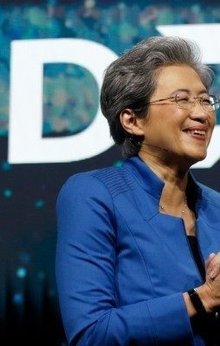
Dr Lisa Su, Chair and CEO at AMD, says: "We are proud to expand our strategic partnership with Meta as they push the boundaries of AI at unprecedented scale."

She adds: "This multi-year, multi-generation collaboration across Instinct GPUs, EPYC CPUs and rack-scale AI systems aligns our roadmaps to deliver high-performance, energy-efficient infrastructure optimised for Meta's workloads, accelerating one of the industry's largest AI deployments and placing AMD at the centre of the global AI buildout."
Infrastructure expansion plans
Meta has outlined plans to invest over US$600bn by 2028 to construct gigawatt-plus scale campuses across multiple US states, including Louisiana, Texas, Wisconsin and Wyoming.
The company is developing hyperscale data centres capable of managing AI-intensive workloads.
The first multi-gigawatt AI data centre, named Prometheus Hyperscale, is expected to become operational in 2026 in Ohio.
A second facility, called Hyperion, could scale up to five gigawatts over several years.
Zuckerberg posted on Threads that one data centre site would span an area nearly the size of Manhattan, covering approximately 22.8 square miles.
Meta frames its AMD agreement as part of the Meta Compute initiative, designed to scale infrastructure for what the company describes as "the era of personal superintelligence, future-proofing our leadership in AI".
The company indicates this portfolio approach will enable advancement and innovation at an accelerated pace, deploying efficient new hardware co-designed with its software stack to accommodate substantial growth.
Meta states it looks forward to working with AMD to power its AI innovations and maintain its capacity to deliver AI experiences to billions of users globally.


Executives
Lisa Su
Chair & CEO
Mark Zuckerberg
CEO