
Robot Mall: China Opens First Store Selling Humanoid Robots
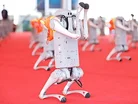
Beijing has opened what officials claim is the world's first dedicated robot shopping mall, marking a significant step in China's push to mainstream humanoid technology for everyday consumers.
The Robot Mall, located in Beijing's high-tech E-Town district, operates on a 4S model similar to automobile dealerships, offering sales, service, spare parts and customer surveys all under one roof.
The four-storey facility houses more than 100 types of robots from up to 200 brands, including established manufacturers like Ubtech Robotics and Unitree Robotics.
Products range dramatically in price and sophistication, from simple consumer gadgets priced at approximately US$278 to advanced humanoid units that cost several millions of dollars.

Among the mall's showcase pieces is a life-size Albert Einstein humanoid valued at roughly US$97,000.
Other notable exhibits include robotic dogs, chess-playing machines, dancing robots and animatronic historical figures such as Emperor Qin Shi Huang, Isaac Newton and Chinese poet Li Bai.
The facility features practical applications including robots designed for cooking, coffee-making, medicine dispensing, painting and sports activities.
An entertainment area allows visitors to observe robot competitions in football and track events, while a dedicated restaurant sees customers being served by robotic waiters and chefs.
"If robots are to enter thousands of households, relying solely on robotics companies is not enough," says Wang Yifan, a store director, told Reuters, emphasising the need for consumer-focused retail approaches.

Strategic timing and investment
The mall's opening coincided with the 2025 World Robot Conference, which is running from 8-12 August 2025 in Beijing.
The capital will also host the inaugural World Humanoid Robot Games from 14-17 August, featuring teams from more than 20 countries competing in track and field, dance and football events.
China's robotics push reflects broader economic strategy, with the government providing more than US$20bn in subsidies over the past year.
Beijing is reportedly planning a 1 trillion yuan (approximately US$137bn) fund specifically targeting artificial intelligence and robotics start-ups.
Industry context and implications
The initiative addresses China's demographic challenges, including slowing economic growth and an ageing population that could benefit from robotic assistance.
The mall's design encourages hands-on interaction, positioning robots as everyday companions rather than futuristic novelties.
This retail approach represents a shift from the business-to-business sales model traditionally used in robotics, instead targeting direct consumer adoption.
The facility's layout and marketing strategy suggest China's ambitions extend beyond manufacturing to establishing cultural acceptance of human-robot integration.
Industry observers note that the timing and media attention surrounding the launch serve dual purposes: commercial retail and international demonstration of China's technological capabilities.
The mall's success could influence similar developments globally, as other nations seek to match China's robotics infrastructure and consumer adoption strategies.
But while many commercial suitors will be intrigued by the rapid development of humanoid technologies, experts still believe that the most successful businesses will understand how to balance a digital workforce with a core team of humans.
“We believe the most resilient and competitive organisations will be those that treat autonomy as a scaffold for human potential, not a replacement for it," says Hexagon CTO, Burkhard Boeckem.