Samsung Q1 Profits Rocket 755% Amid AI Memory Chip Shortage

The semiconductor industry has officially entered a new epoch.
This morning, Samsung Electronics released first-quarter earnings guidance, projecting an operating profit of ₩57.2tn (US$38bn) and significantly exceeding market expectations.
To put that into perspective: Samsung’s profit in these three months alone is expected to surpass its entire operating profit for the 2025 fiscal year (₩5743.6tn).
The engine of the boom: AI and HBM
The primary catalyst for this is the shift from general-purpose computing to AI-centric data centres.
High-bandwidth memory (HBM) – the specialised, vertically stacked silicon that feeds data to AI accelerators – has moved from a niche luxury to the industry’s most strategic asset.
Samsung’s report shows a leap in total sales to ₩133tn, a 68% increase from ₩79.14tn in the same quarter last year.
This jump suggests that the global construction of physical AI hardware – like the data centres and specialised chips – is just now hitting its fastest pace.
The US$73bn bet
Samsung plans to spend more than ₩110tn (US$73bn) on chip capacity expansion and research this year – a record-breaking outlay aimed squarely at seizing the lead in AI semiconductors.
This 22% hike in investment for 2026 is a massive statement of intent, surpassing the roughly US$50bn capital expenditure set aside by rival TSMC.

The strategy is to focus heavily on next-generation AI chips and advanced foundry processes to retake the lead from SK Hynix, which had previously dominated the HBM supply chain for NVIDIA.
Navigating geopolitical and internal challenges
The record-breaking quarter comes at a complex time.
A deepening conflict in the Middle East has sent energy costs soaring for the very data centres Samsung supplies. Yet, the sheer nature of the AI boom seems to have insulated the chipmaker.
Samsung’s financial highlights show an estimated operating profit of ₩57.2tn for Q1 2026, a staggering 755% jump from the ₩6.69tn recorded the previous year.
This performance was driven by consolidated sales that rose 68% to ₩133tn, alongside a 60% year-to-date increase in the company’s stock price.
Samsung’s leadership is already looking to solidify these gains.
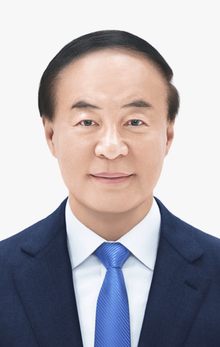
Co-CEO Jun Young-hyun informed shareholders at the 57th Annual General Meeting in March that the company is negotiating three-to-five-year contracts with major customers, a radical departure from the traditional quarterly contract cycle.
“The fact that customers want such long-term contracts means that they do not expect the supply crunch to ease in the next three to five years,” says technology analyst Daniel Kim on the January 2026 Macquarie Equity Research report.