Explained: The Legal Fight Elon Musk Lost to OpenAI
Concluding the landmark AI trial, a jury in Oakland, California has ruled against Elon Musk, CEO of Tesla and SpaceXAI, in his lawsuit against OpenAI.
The nine-member panel concluded unanimously that Elon filed his claim beyond the statute of limitations.
The high profile case ended on lacklustre procedural grounds, giving way for Elon to claim that the substance of the allegations are still unfounded.
Case origins and claims
The SpaceXAI CEO initiated legal action back in 2024 alleging that OpenAI and its leadership breached the organisation's founding non-profit mission.
He had co-founded OpenAI in 2015 alongside Sam Altman, CEO of OpenAI, Greg Brockman and others.
According to court documents, Elon invested approximately US$38m in the venture under the understanding it would operate as a non-profit.
The lawsuit sought more than US$134bn in damages and Elon had requested the removal of Sam and Greg from their leadership positions.
The suit also aimed to reverse OpenAI's restructuring into a for-profit entity, which could have disrupted the company's plans to list publicly later in the year.
"The finding of the jury confirms that what this lawsuit was, was a hypocritical attempt to sabotage a competitor and to overcome a long history of very bad predictions about what OpenAI has been and will become," says William Savitt, attorney for OpenAI, speaking outside the courtroom following the verdict.
Timeline disputes and evidence
This highly followed trial focused on statute of limitations questions.
The jury examined whether Elon filed within the three to four year window applicable to claims including fraud, breach of charitable trust and unjust enrichment.
Jurors considered whether he knew or should have known about OpenAI's shift towards a for-profit structure before 2021.
Elon argued his concerns materialised fully in 2023 following Microsoft's investments into OpenAI's for-profit division.
Lawyers for OpenAI presented evidence suggesting Elon had known about commercial structure plans as early as 2017.
The court heard testimony that documents detailing plans for a for-profit arm were sent to him in 2018.
The jury deliberated for nearly two hours on Monday before determining that Elon waited too long to file suit.
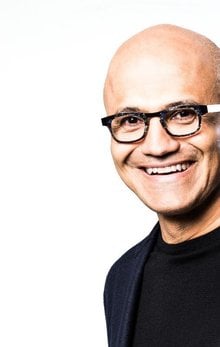
Members had spent three weeks reviewing internal correspondence and hearing testimony from Elon, Sam and Satya Nadella, CEO of Microsoft.
Microsoft became involved after Elon accused the company of aiding and abetting OpenAI's transition to a for-profit model.
Verdict and response
Elon claims that the dismissal left unresolved whether OpenAI breached any contractual obligations.
"Regarding the OpenAI case, the judge and jury never actually ruled on the merits of the case, just on a calendar technicality," Elon wrote in a post on X shortly after the verdict.
"There is no question to anyone following the case in detail that Altman and Brockman did in fact enrich themselves by stealing a charity. The only question is WHEN they did it."
Elon stated he would appeal the decision.
"I will be filing an appeal with the Ninth Circuit, because creating a precedent to loot charities is incredibly destructive to charitable giving in America," he added.





Executives
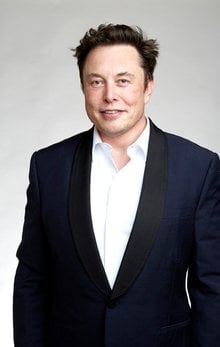
Elon Musk
Tesla CEO
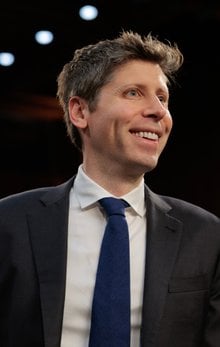
Sam Altman
Satya Nadella
Chairman and CEO
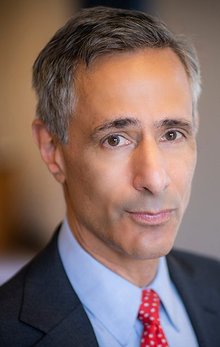
William Savitt
Co-Chair of the Executive Committee and Co-Chair of the Litigation Department