The New iPhone 17 is a Hardware-First Revival for Apple
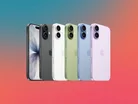
The launch of Apple's iPhone 17 series seems to mark a slight adjustment in strategy for company.
After an underwhelming year for the Cupertino-based firm's AI ambitions, the rollout of the newest generation of its flagship product feels like a back-to-basics return to form.
With Apple and its rivals so hellbent on winning the AI race, the iPhones of recent years have felt a little staid when compared to the revolutionary models of years gone by.
But after years of modest upgrades, tech experts believe that Apple has a new generation of mobiles that stands out from the crowd for the first time in a long time.
According to reviews, the iPhone 17 Pro and Pro Max models represent what could be considered the company's first genuinely impressive release since the pandemic-era iPhone 12.
This marks a stark contrast to last year's iPhone 16, which industry analysts had hoped would trigger a super-cycle driven by Apple Intelligence features.
The reality didn't come close, however and the products AI features seemed to be little more than a novelty.
The previous generation suffered from delayed AI features that were both underwhelming and available on older models, offering little beyond marketing hype.
But with some bold design choices for the new range of hardware, consumers are started to get excited by the iPhone again.

Has Apple withdrawn from the AI race?
Apple has effectively stepped back from the AI race for now, a move that may prove strategically sound despite appearing defensive.
"Foundation models are becoming commoditised," says Mark Gurman, Bloomberg's Apple Correspondent, "and Apple is better off letting AI mature into table-stakes technology before rejoining the fray."
The company's AI capabilities are currently far behind those of its rivals in the cellphone sector, including Google, Samsung and Chinese manufacturers.
Apple will continue to develop AI products and upgrades, just without the ferocity it initially set out with.
After exploring potential collaborations with OpenAI, Anthropic and Perplexity, it remains likely that Apple will look to improve upon its AI standing with an external partnership, though the future of its internal AI team is unclear.
Insiders expect new announcements of Apple's AI plans in March 2026, when a revamped Siri and AI-powered web search are scheduled to arrive.
The response of the market
Early sales data suggests Apple's hardware-focused approach is resonating with consumers.
In what will be welcome news to Apple's board and leadership team, turnouts for the new launch have been very promising, with the trend continuing beyond the initial launch day.
So far, the iPhone 17 Pro models are driving most purchases, though the new Air variant has generated a great deal of interest despite concerns about its battery life and premium pricing.
Key improvements include enhanced battery life on the Pro Max, a new 8x zoom capability, reduced overheating issues and significantly improved selfie camera performance.
Perhaps most importantly, though, Apple has abandoned the titanium design from the iPhone 15 Pro, which had made previous devices feel uncomfortably warm during use.
Changes to the shape and feel of the products is also cause for curiosity with consumers, as the new phones feel just that – new.
What's next for Apple and the iPhone?
Despite the positive reception, Apple may have to contend with some blustery headwinds as it looks to maintain its dominance in the smartphone sphere.
With a saturated US market, softening demand in China and the need to establish new international retail presence to sustain growth, Apple will have its work cut out in the short term.
Competition is also intensifying, with Apple's rivals all developing AI-first devices that may just reshape personal technology.
"The real test begins around 2028, when rivals like Meta, Google and OpenAI will already have AI-first devices on the market, including – in some cases – advanced augmented reality glasses," Mark says.
Apple is reportedly planning display-less smart glasses and a tabletop robot for that timeframe too, though its first true AR wearable may only just be arriving then.
Still, the iPhone 17's buoyant launch suggests that Apple's expertise in smartphone hardware remains formidable.
But with that said, the company will need to balance this strength with the many emerging trends in the tech sector if it wants to maintain its market position across the coming decade.