Why Major Labels Back Spotify’s New AI Music Vision

After two years of tension over how artificial intelligence is changing music creation, the industry is beginning to push back.
Tech companies have freely scraped copyrighted recordings to train AI models – often without consent.
Now, Spotify, the Swedish streaming powerhouse with more than 600 million users, is charting a new course by forging direct agreements with the three major record labels.
Its goal: to develop AI tools that “put artists and songwriters first” and uphold copyright protections.
Under the partnerships with Sony Music Entertainment, Universal Music Group and Warner Music Group, Spotify will license music to build these tools.
Music rights group Merlin and digital distributor Believe have also signed on, uniting organisations that collectively represent the majority of the world’s commercial recordings.
Spotify says development of its first AI products is already underway.
Acknowledging the “wide range of views on generative music tools within the artistic community,” the company plans to let creators decide whether to take part.
Behind the major labels striking licensing deals with Spotify
Artists including Dua Lipa, Sir Elton John and Sir Paul McCartney have become increasingly outspoken over AI companies using their music to train generative models without consent or compensation.
AI is the most consequential technology shift since the smartphone and it’s already reshaping how music is created and experienced
Gen AI is redefining how music is made, learning creative patterns from training data to compose new works – and igniting legal disputes across the creative sector.
Spotify says it will ensure that artists, songwriters and rights holders are “properly compensated for uses of their work and transparently credited for their contributions”.
The platform adds that these measures will be shaped through “upfront agreements” and not “asking for forgiveness later”.
“Technology should always serve artists, not the other way around,” says Alex Norstrom, Co-president at Spotify.
“Our focus at Spotify is making sure innovation supports artists by protecting their rights, respecting their creative choices – and creating new ways for fans to discover and enjoy the music they love.”
Not everyone agrees this signals real progress.
Max Bonanno, Managing Partner at New Orleans-based artist management firm MidCitizen Entertainment, told the BBC that AI has “polluted the creative ecosystem.”
He says AI-generated songs have “diluted the already limited share of revenue that artists receive from streaming royalties”.
The future of the permission-based model
Ed Newton-Rex takes a different stance.
The founder of Fairly Trained, an organisation advocating for ethical AI development, told the BBC: “Lots of the AI industry is exploitative – AI built on people’s work without permission, served up to users who get no say in the matter.”
“This is different – AI features built fairly, with artists’ permission, presented to fans as a voluntary add-on rather than an inescapable funnel of AI slop.
“The devil will be in the detail, but it looks like a move towards a more ethical AI industry, which is sorely needed.”
So far, Spotify has consistently maintained that it does not produce music itself — whether through AI or any other means.

The platform does, however, employ AI to curate personalised playlists and power features like its AI DJ.
It also hosts music made with AI tools, though it recently began tightening policies against artists who fail to disclose AI use or attempt to mimic real performers.
Spotify adds that AI is now integrated across multiple stages of music production, from autotune and mixing to mastering.
“We’ve been consistently focused on making sure AI works for artists and songwriters, not against them,” says Robert Kyncl, CEO at Warner Music Group.
“That means collaborating with partners who understand the necessity for new AI licensing deals that protect and compensate rightsholders and the creative community.”
Gustav Söderström, Co-President and Chief Product and Technology Officer at Spotify says: “AI is the most consequential technology shift since the smartphone and it’s already reshaping how music is created and experienced.
“At Spotify, we want to build this future hand in hand with the music industry, guided by clear principles and deep respect for creators, just as we did in the days of piracy.”
Company portals


Executives
Alex Norström
Co-President, Chief Business Officer

Ed Newton-Rex
CEO

Gustav Söderström
Co-President, CPO & CTO
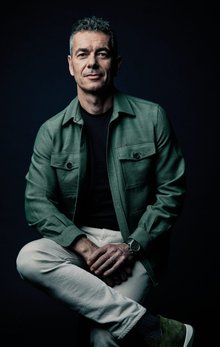
Robert Kyncl
CEO