The modern software landscape is built on containers, spanning from local development to massive production scale.
As software solutions that allow for the management of containerised applications – meaning it has all the files and libraries it needs to run on any infrastructure – choosing the right container platforms involves navigating a complex ecosystem of engines, orchestrators and managed services that cater to different needs.
In this Top 10, Technology Magazine analyses the key players that define the container platform market today.
10. Amazon Elastic Container Service (ECS)

ECS is AWS’ proprietary, fully managed container orchestration service.
It offers a simpler, more integrated alternative to Kubernetes for deploying, managing and scaling containerised applications within the AWS ecosystem.
Designed for ease of use, ECS removes the need to manage a control plane, allowing teams to focus on application development rather than infrastructure.
Its deep integration with AWS services makes it a powerful choice for organisations committed to the AWS cloud.
9. Azure Kubernetes Service (AKS)
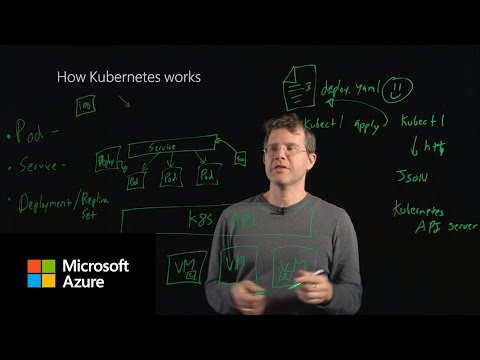
AKS, Microsoft’s fully-managed Kubernetes service, simplifies the deployment and management of containerised applications on the Azure cloud platform.
By offloading the operational overhead of the Kubernetes control plane to Azure, it allows developers to quickly provision clusters with enterprise-grade security and governance.
Its deep integration with Azure services like Azure Active Directory, Azure Monitor and Azure Policy makes it a compelling and seamless choice for organisations building their cloud-native strategy on Microsoft Azure.
8. Podman

Red Hat’s Podman is a powerful open-source container engine that is designed as a secure, daemonless alternative to Docker.
It provides a command-line interface compatible with Docker but operates without a central, privileged daemon, allowing containers to run as standard user processes. This rootless architecture significantly enhances security.
With its focus on OCI standards, Kubernetes pod concepts and integration with systemd, Podman is an excellent choice for security-conscious developers and for creating environments that closely mirror production Kubernetes.
7. AWS Fargate

AWS Fargate is a serverless compute engine for containers, developed by AWS.
It fundamentally changes the container operating model by abstracting away the need to provision and manage servers or clusters.
With Fargate, users define their application’s resource needs and pay per application, while AWS handles all underlying infrastructure management.
It works with both Amazon ECS and EKS, representing a major step towards a truly serverless container experience and simplifying operations for many common workloads.
6. Rancher

SUSE Rancher is a leading open-source multi-cluster container management platform.
Rather than providing its own Kubernetes distribution, Rancher simplifies the management of Kubernetes clusters across any provider or infrastructure – whether on-premises, in the cloud or at the edge.
Rancher provides a single pane of glass for unified operations, governance and security, empowering organisations to avoid vendor lock-in and manage their entire container fleet, regardless of where it runs.
5. Amazon Elastic Kubernetes Service (EKS)

EKS is the managed Kubernetes service from AWS, providing a highly available and secure Kubernetes control plane – allowing organisations to run standard Kubernetes workloads on AWS without managing the underlying orchestration infrastructure.
Its key strength lies in its deep integration with the vast AWS ecosystem of services, making it a default choice for the millions of customers already invested in the AWS cloud.
4. Google Kubernetes Engine (GKE)
GKE is the original and mature managed Kubernetes service from Google Cloud, the birthplace of the Kubernetes project.
It offers a battle-tested, scalable and secure platform that automates cluster management, upgrades and operations.
GKE provides a simplified yet powerful Kubernetes experience with unique features like Autopilot mode for hands-off infrastructure management and deep integration with Google’s global network and AI/ML services, positioning it as a leader in cloud-native application deployment.
3. Red Hat OpenShift

A comprehensive, enterprise-grade application platform built on Kubernetes, OpenShift extends the core orchestrator with a vast suite of integrated tools for developers, robust security features and unified management capabilities for hybrid cloud environments.
Developed by Red Hat, OpenShift is designed to provide a consistent, turnkey PaaS experience, abstracting away Kubernetes’ complexity to accelerate application modernisation and deployment from the data centre to the edge.
2. Docker

Docker is the platform that ignited the container revolution, making it simple for developers to package applications and their dependencies into lightweight, portable containers.
Docker’s core open-source Docker Engine remains the industry’s most-used tool for building and running containers locally. Its developer-friendly tools, extensive public image repository (Docker Hub) and simple command-line interface have made it the undisputed standard for the developer workflow in the container ecosystem.
1. Kubernetes

Kubernetes is the open-source container orchestration system that has become the de facto global standard.
Originally designed by Google and now operated by the Cloud Native Computing Foundation, it provides the foundational ‘kernel’ for automating the deployment, scaling and management of containerised applications.
It offers a powerful, extensible API and a robust set of primitives for building resilient, scalable distributed systems, serving as the core engine for nearly every other modern container platform.