
TSMC Accelerates Arizona Expansion as AI Demand Surges
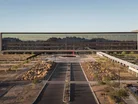
Taiwan Semiconductor Manufacturing Co (TSMC) is set to accelerate its multibillion-dollar expansion in Arizona, according to CNBC, deepening its US footprint as demand for AI, high‑performance computing and advanced mobile chips continues to climb.
TSMC has invested an estimated US$165bn across its first three Arizona fabs. The first fab began production in 2025, with the second and third slated to come online in the second half of 2027 and by the end of the decade, respectively. The company plans to broaden that investment and timeline.
TSMC reported net revenue of NT$1.134tn (US$35.67bn) for January–March 2026, up from NT$839bn (US$26.39bn) a year earlier, an increase of 35.1% year over year. The Apple and NVIDIA supplier continues to benefit from AI-driven compute demand and advanced process adoption.
Arizona buildout
Beyond the initial three fabs, TSMC’s Arizona plans encompass six semiconductor wafer fabs, which create integrated circuits on this silicon discus, as well as two advanced packaging facilities and an R&D centre.

The first three fabs are expected to create about 6,000 direct jobs and tens of thousands more across construction and the supply base.
“We have strong conviction on the AI mega trend and that is the reason we are stepping up the capital expenditures to expand in Taiwan and in the US,” TSMC Chief Financial Officer Wendell Huang told CNBC. “Not just to expand, but also try to accelerate where it is possible to satisfy or narrow the gap.”
In January, CNBC reported TSMC purchased an additional 900‑acre site in Arizona. Some facilities originally planned for the first site will shift to this second parcel, with the remainder “used for future flexibilities,” Huang said.
Managing helium supply risks
Reports of disruption around the Strait of Hormuz have pressured supplies of helium, a critical input for advanced semiconductor manufacturing.
Forbes estimates TSMC sourced 69% of its helium from the Gulf Cooperation Council in 2024.
TSMC says it is monitoring the situation closely and does not anticipate significant near‑term production impacts, citing diversified contracts, strong on‑site recycling (often 80–90% recovery rates at leading fabs) and existing inventories, according to Forbes.
Other chipmakers, including Samsung Electronics and SK Hynix – which together supply roughly two‑thirds of the world’s memory chips – were reported to have four to six months of helium inventory on hand, a source told Reuters in early April 2026.
US semiconductor manufacturing push
TSMC says its Arizona fabs will bolster US leadership in AI, high‑performance computing and advanced mobile technologies.
The buildout aligns with broader efforts to re-shore advanced manufacturing, underpinned by recent US policy initiatives to expand domestic chip capacity.
Elsewhere in the US, Samsung Electronics’ US$17bn fab in Taylor, Texas, has moved into installation and commissioning.
In March, Tesla CEO Elon Musk announced plans for two large fabs in Texas, citing outsized demand for advanced semiconductors.
“To Samsung, TSMC, Micron and others … we would like them to expand as quickly as they can. And we will buy all of their chips,” he said.
Company portals




Executives
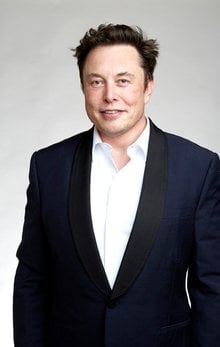
Elon Musk
Tesla CEO
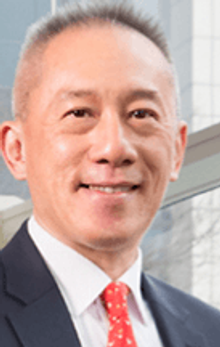
Wendell Huang
CFO