Why is Apple Moving Mac Mini Production to Texas?
For some time now, Apple has been keen on diversifying its production and supply chains, lest it falter at the wind of geopolitical uncertainty.
The latest step sees the iPhone manufacturer deepening its footprint in the United States, as it plans to build the Mac mini desktop computer on American soil for the first time.
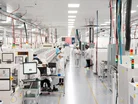
The new manufacturing line will be based in Houston, Texas, at an Apple facility that until recently focused on producing advanced artificial intelligence servers.
“Apple is deeply committed to the future of American manufacturing and we’re proud to significantly expand our footprint in Houston with the production of Mac mini starting later this year,” says Tim Cook, Apple’s CEO.
“We began shipping advanced AI servers from Houston ahead of schedule, and we’re excited to accelerate that work even further.”
Apple Mac mini
Apple’s Mac mini is an ultra‑compact computing powerhouse popular with students, creatives and business owners.
Powered by Apple’s latest M4 or M4 Pro chips, it delivers strong CPU and GPU performance and on‑device Apple Intelligence for fast processing of apps and AI‑enabled features.
In its five by five inch footprint, Mac mini brings extensive connectivity and capability to homes, offices and creative studios.
Company executives say Mac mini production in the US will start before the end of 2026, creating thousands of new jobs in the region.
Apple’s Houston manufacturing campus
The expanded campus will double in size and host the first Mac mini assembly line in the United States.
Most Mac mini units are currently made in Asia, including China and Vietnam, where the bulk of Apple’s manufacturing operations remain.
By contrast, the Houston facility will produce units mainly for the American market once the new line is operational.
The expanded Houston site will also house a 20,000 square foot Advanced Manufacturing Center, set to open later in 2026.
This facility will provide hands-on training for students, supplier employees and smaller US companies in advanced manufacturing techniques, building a more skilled workforce and helping domestic firms learn the precision techniques used in Apple’s own production lines.
Expanding US commitments
This shift is part of a larger commitment by Apple to expand its presence in the US economy.
Last year, the company pledged to invest US$600bn in American manufacturing and related jobs by 2029, including partnerships with domestic suppliers and semiconductor fabs.
Apple has sourced more than 20 billion chips from US factories and supported new facilities for glass and packaging in states such as Kentucky and Arizona.
Industry analysts say the Mac mini decision is strategic. Bringing production closer to end customers may help shorten delivery times and reduce logistical costs, especially for the US market.

Political considerations have also played a role.
Recent discussions around tariffs on foreign‑built electronics have made nearshoring more attractive to global tech firms.
Increasing US production reduces exposure to sudden trade policy changes and demonstrates cooperation with state and federal manufacturing initiatives.
Despite the expansion, most Mac mini production will continue overseas for international markets.
Apple emphasises that its existing facilities in Asia will still make the majority of units for customers outside the United States, with the US line designed to complement rather than replace those established sites.
For the tech industry, the move is a reminder that manufacturing strategies are evolving in response to geopolitical pressures, rising costs and demand for innovation.
For consumers and local workers in Houston, it brings the prospect of new opportunities and a closer connection to the products they use every day.